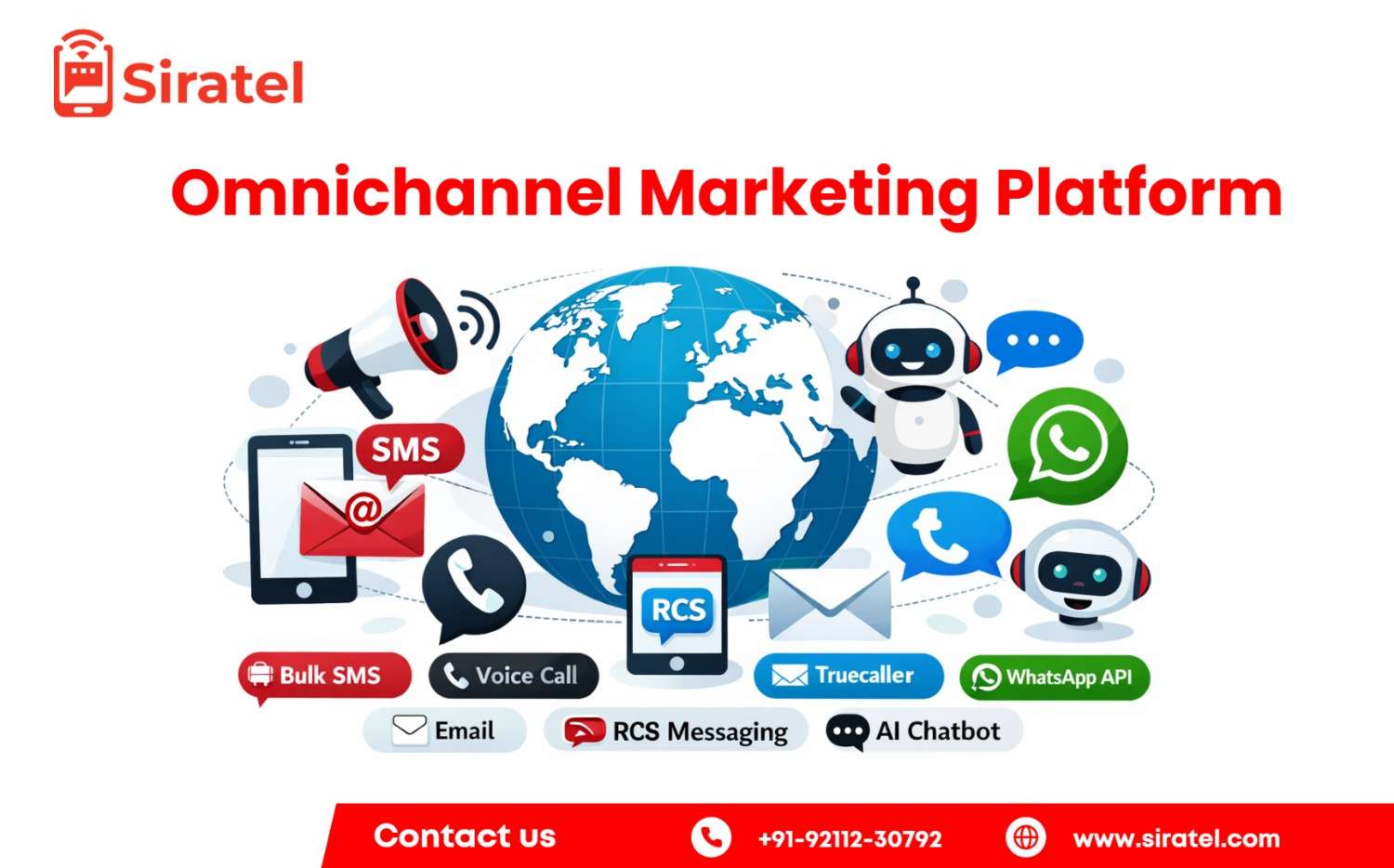

An enterprise messaging service provider helps businesses send secure, high-volume messages like SMS, OTPs, alerts, and notifications to customers across multiple countries using telecom-grade infrastructure.
Points to cover
- Why communication speed matters today
- Why email alone is not enough
- How enterprise messaging improves customer response
“Businesses that communicate faster, grow faster.”
What Is an Enterprise Messaging Service?
An enterprise messaging service is a professional business communication system that allows companies to send bulk and automated messages, such as OTPs, alerts, and promotions, with high delivery rates.
Simple Explanation
- Personal SMS = one-to-one
- Enterprise messaging = one-to-millions
Technical Definition
- Uses direct telecom operator connections
- Supports APIs, dashboards, and automation
- Built for speed, scale, and security
What Does an Enterprise Messaging Service Provider Do?
Core Responsibilities
- Message routing
- Telecom connectivity
- Delivery optimization
- Reporting and analytics
What Makes an Enterprise Provider Different?
- High-throughput systems
- International message delivery
- Compliance with local telecom rules
How Enterprise Messaging Services Work (Step-by-Step)
- Business creates or triggers a message
- The message goes to the enterprise messaging platform
- The platform selects the best country route
- Message reaches customer device
- The delivery report is generated
Technology Used
- APIs (HTTP / SMPP)
- Message queues
- Load balancing
- Failover routing
Why Businesses Use Enterprise Messaging Services
Business Problems It Solves
- Low email open rates
- Slow customer response
- Manual communication
- Missed notifications
Benefits at a Glance
- SMS open rate: 98%
- Messages read within 3 minutes
- Works without internet (SMS)
- High customer trust
Types of Enterprise Messaging Services
1. Enterprise SMS Service
Used for:
- OTP verification
- Transaction alerts
- Order updates
- Promotional campaigns
2. Business Text Messaging Service (Two-Way)
Used for:
- Customer support
- Feedback collection
- Appointment confirmations
3. WhatsApp & Rich Messaging
Used for:
- Rich media messages
- Automated chat flows
- Customer engagement
Learn more about WhatsApp’s rich messaging service
Industry-Wise Use Cases of Enterprise Messaging
| Industry | Use Case | Example |
|---|---|---|
| Banking | OTP & alerts | Login verification |
| E-commerce | Order updates | Shipping alerts |
| Healthcare | Reminders | Appointments |
| Logistics | Tracking | Delivery updates |
| Education | Notifications | Exam schedules |
You may also like to read the use case of enterprise sms for SMS Marketing for Restaurants
Enterprise Messaging for International Businesses
Why Global Messaging Is Important
Customers expect local and timely communication, even across borders.
Countries We Serve
We provide enterprise messaging services to businesses in:
- United States
- Australia
- Bangladesh
- Brazil
- Vietnam
- Indonesia
- Mexico
- Chile
- United Arab Emirates
- Malaysia
- Germany
- India
- And 120+ countries worldwide
Why Direct Telecom Routes Matter in Enterprise Messaging
Direct Routes vs Grey Routes
| Factor | Direct Routes | Grey Routes |
|---|---|---|
| Delivery Rate | High | Unstable |
| Speed | Fast | Delayed |
| Compliance | Legal | Risky |
| Sender ID | Supported | Often blocked |
A trusted enterprise messaging service provider always uses direct operator routes.
Learn more about gray routes
Key Features of a Reliable Enterprise Messaging Service Provider
Must-Have Business Features
- High delivery rates
- Global coverage
- Real-time reports
- Sender ID management
Technical Features Explained
- TPS (Transactions Per Second): Message speed
- DLR: Delivery confirmation
- Failover Routing: Backup delivery paths
SMS APIs in Enterprise Messaging
What Is an SMS API?
An SMS API lets your app or website send messages automatically without human effort.
API Use Cases
- Login OTP
- Payment alerts
- Booking confirmations
Security & Compliance in Enterprise Messaging Services
Why Security Is Critical
- OTP fraud prevention
- Customer data protection
- Legal compliance
Common Compliance Standards
- GDPR (Europe)
- Local telecom regulations
- Opt-in messaging rules
Pricing Model of Enterprise Messaging Services
What Affects Pricing?
- Country
- Message volume
- Route quality
- Message type
Simple Pricing Logic
- Domestic messages = lower cost
- International messages = country-based pricing
Data & Statistics: Why Enterprise Messaging Works
Featured Snippet – Data Points
- SMS open rate: 98%
- Average read time: under 3 minutes
- OTP success rate with direct routes: 99%+
- Automated messaging improves engagement by 30–40%
How to Choose the Right Enterprise Messaging Service Provider
- Global coverage
- Direct operator connectivity
- Transparent pricing
- Dedicated support
- Proven delivery performance
Ready to Scale Your Business Communication?
With our enterprise messaging service, you can: Reach customers in 120+ countries, Send OTPs, alerts, and promotions at scale, and use secure, enterprise-grade infrastructure
FAQs on Enterprise Messaging Service
What is an Enterprise Messaging Service?
An Enterprise Messaging Service enables businesses to send high-volume, reliable messages such as SMS, WhatsApp messages, emails, and notifications. It is commonly used for OTPs, alerts, reminders, promotions, and transactional communication.
How is enterprise messaging different from regular bulk SMS?
Enterprise messaging is built for scale and reliability. It offers higher delivery rates, faster throughput, direct operator connectivity, detailed analytics, compliance support, and stronger security compared to basic bulk SMS solutions.
Is enterprise messaging limited to SMS only?
No. Enterprise messaging supports multiple channels including SMS, WhatsApp Business messaging, email, push notifications, and voice calls. Businesses can use one or multiple channels based on their needs.
Is enterprise messaging secure for OTPs and transactional messages?
Yes. Enterprise platforms use secure APIs, encryption, compliance controls, and audit logs. This makes them suitable for sensitive use cases like OTPs, banking alerts, and account notifications.
Do I get real-time delivery reports?
Yes. You receive real-time delivery reports showing message status such as sent, delivered, failed, or rejected. Advanced dashboards also provide operator-wise, country-wise, and time-based analytics.
Can I send international messages using enterprise messaging?
Yes. Enterprise messaging platforms offer global coverage across multiple countries and operators. You can manage both domestic and international messaging from a single dashboard or API.
How fast are international message deliveries?
Delivery speed depends on the destination country and operator. Transactional and OTP messages are usually delivered within seconds, while promotional messages may take slightly longer.
Can I use my brand name as the sender ID?
Yes, subject to approval. Sender IDs and templates must comply with local regulations. In countries like India, sender IDs are managed through DLT registration.
Is API integration required?
API integration is recommended for automated messaging such as OTPs, alerts, and system notifications. For manual campaigns, messages can also be sent through a web dashboard.
How complex is API integration?
API integration is usually straightforward. Most platforms provide REST APIs, documentation, sample code, and SDKs. Integration can typically be completed within a day or two.
Can enterprise messaging integrate with my CRM or website?
Yes. Enterprise messaging can be integrated with CRMs, ERPs, websites, mobile apps, and payment systems to enable automated and trigger-based communication.
Is enterprise messaging scalable for high volumes?
Yes. Enterprise messaging infrastructure is designed to handle high traffic and large volumes. It can support thousands or millions of messages per day without performance issues.
How is pricing calculated?
Pricing depends on factors such as message volume, destination country, route quality, and message type (transactional or promotional). Higher volumes usually receive discounted rates.
What kind of support is available?
Enterprise providers usually offer dedicated account managers, technical support, and SLA-based issue resolution for business-critical communication.
Ready to Try the Enterprise messaging service for Your Business?